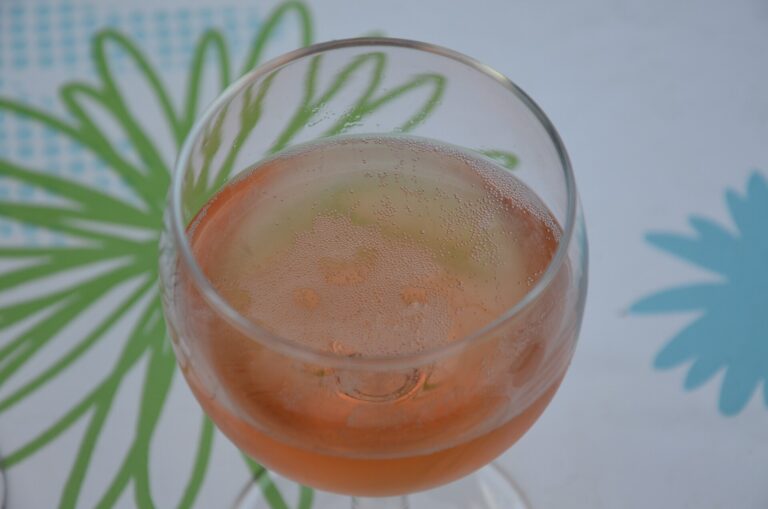
Can you buy Champagne for 100 zł?
For 100 zł you can buy real Champagne, but only in a small 0.2 l bottle, enough for two glasses. In our shop a 0.75 l bottle costs from just under 200 zł, and a 0.375 l half-bottle is also over 100 zł. The reason lies in the rules of the Champagne appellation: hand harvesting, a limited vineyard area and at least 15 months of ageing for every bottle.
Can you buy Champagne for 100 zł?
Yes, but only in a 0.2 l bottle; we have no full 0.75 l bottle of real Champagne for 100 zł in our shop.
The cheapest Champagne we sell is Moët & Chandon Brut Impérial (pronounced mo-et ay shon-don broot am-pay-ree-al) in a 0.2 l bottle, which is roughly two glasses. In Europe this format is called piccolo, from the Italian word for “small”; it was introduced in 1935 by the German sparkling wine producer Henkell. Half-bottles of 0.375 l, for three or four glasses, already cost more than 100 zł, while the cheapest 0.75 l bottle, Jean de La Fontaine (pronounced zhon de la fon-ten) Brut, comes in under 200 zł.

So we don't publish a ranking of Champagne under 100 zł, because there would be nothing in it to compare. The lowest price band in which we compare full bottles is Champagne under 250 zł.
How much Champagne you get in each format
A 0.2 l bottle gives two 100 ml glasses, a 0.375 l half-bottle about three and a half, and a 0.75 l bottle seven or eight.
| Format | 100 ml glasses | Price in our shop | Who it's for |
|---|---|---|---|
| 0.2 l (piccolo) | 2 | under 100 zł | a toast for one or two, a gift to go with flowers |
| 0.375 l (half-bottle) | 3-4 | over 100 zł | dinner for two |
| 0.75 l | 7-8 | from just under 200 zł | a toast with a larger group, a gift |
Per litre, a small bottle works out dearer than a large one: in our shop, Brut Impérial in a 0.2 l bottle costs noticeably more per litre than the same Champagne in a 0.75 l bottle. If there are two of you, a half-bottle is often a better choice than two 0.2 l bottles.


Why Champagne doesn't cost 100 zł
Because the rules of the Champagne appellation require hand harvesting, limit the amount of juice taken from the grapes and require every bottle to spend at least 15 months in the cellar.
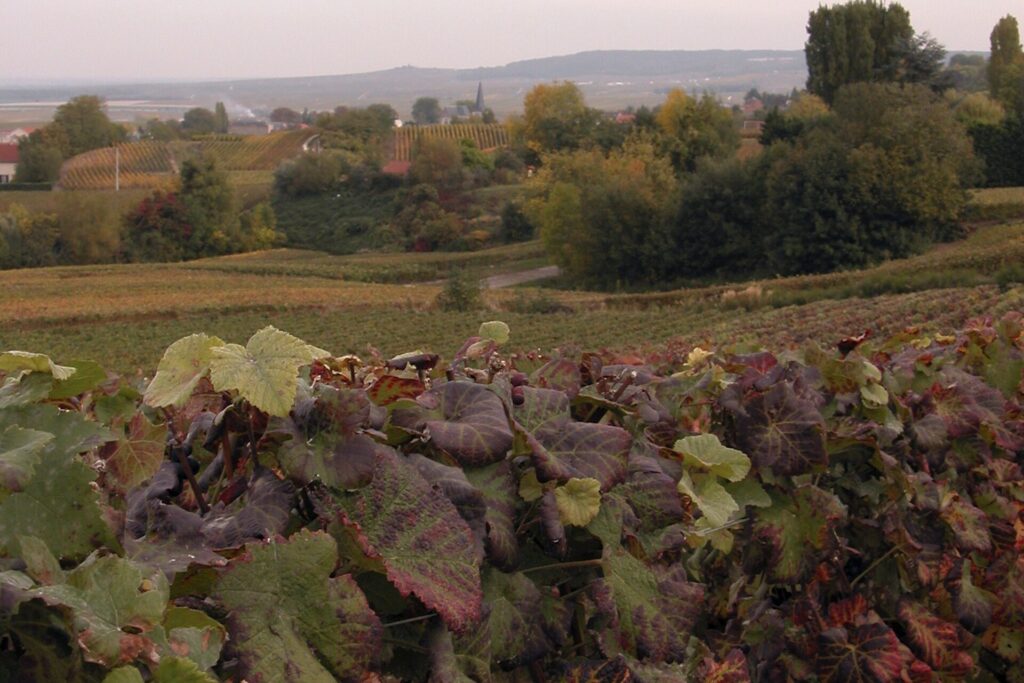
Let's start with the grapes. No more than 102 litres of juice may be pressed from 160 kg of fruit, so one 0.75 l bottle takes about 1.2 kg of grapes. They are picked only by hand, in whole bunches: close to 120,000 pickers do this work every year. The vineyards cover about 34,200 ha in 319 communes and cannot expand at will, and the permitted yields are set every year before the harvest; for the 2025 harvest it was 9,000 kg per hectare, which works out at about 7,600 bottles per hectare.
Then comes time. The second fermentation takes place in the bottle, and non-vintage Champagne must mature for at least 15 months, vintage Champagne for at least 36 months. The Comité Champagne says that in practice non-vintage Champagne usually spends two to three years in the cellar. All that time the bottle takes up space in a cellar kept at a steady temperature of about 12 °C, while the producer waits for a return on the money. Prosecco, which usually gets its bubbles in a large tank, can go on sale much sooner.
Champagne for under 100 zł at a discount store: how to check the bottle
If you see a full bottle described as Champagne for under 100 zł, first check the label for the word “Champagne” and the producer code.
Real Champagne has the word Champagne clearly on the label, the country France, the name and commune of the producer, and a Comité Champagne registration number preceded by two letters. The letters MA mean a brand belonging to someone who is not the producer, for example a retail chain; it is still real Champagne, just under the seller's label. If the word Champagne is missing and you see “sparkling wine” (czyt. metod tradisjonel), “méthode traditionnelle” or “vin mousseux”, the bottle is a sparkling wine, but not Champagne. More details in our articles real Champagne: how to recognise it i Champagne from Biedronka and Lidl.
What to buy for 100 zł if not Champagne
With a budget of about 100 zł for a 0.75 l bottle, the closest thing to Champagne is sparkling wine made by the same method, with the second fermentation in the bottle: crémant (pronounced kray-mon) and cava.
Crémant comes from eight French regions outside Champagne, including Alsace, Burgundy and the Loire Valley. It must age on its lees for at least 9 months, and the grapes are picked by hand. Cava from Spain is made by the same method; the basic category spends at least 9 months on its lees, Reserva at least 18. We describe the differences from Champagne in our articles crémant or Champagne i cava or Champagne. You can buy these wines, as well as Prosecco, at Cruvino, a shop in the same group: Cruvino's guide to Champagne, Prosecco and cava.
Champagne for under 50 zł or under 30 zł
There is no real Champagne at this price, not even in a 0.2 l bottle.
Drinks sold for a few dozen złoty under the everyday name “szampan” are sparkling wines from other regions, wine-based drinks or non-alcoholic fizzy drinks for children. We explain what the most popular of them are in our article Dorato, Piccolo, Igristoye and Asti.